The family camp. The lake house. The cabin where everyone gathers every summer. For many families, a vacation home is more than just real estate. It's where holidays are celebrated, grandchildren learn to swim, and decades of family memories are made.
So, when it comes time to create an estate plan, the goal often sounds simple:
“I want the kids to have it.”
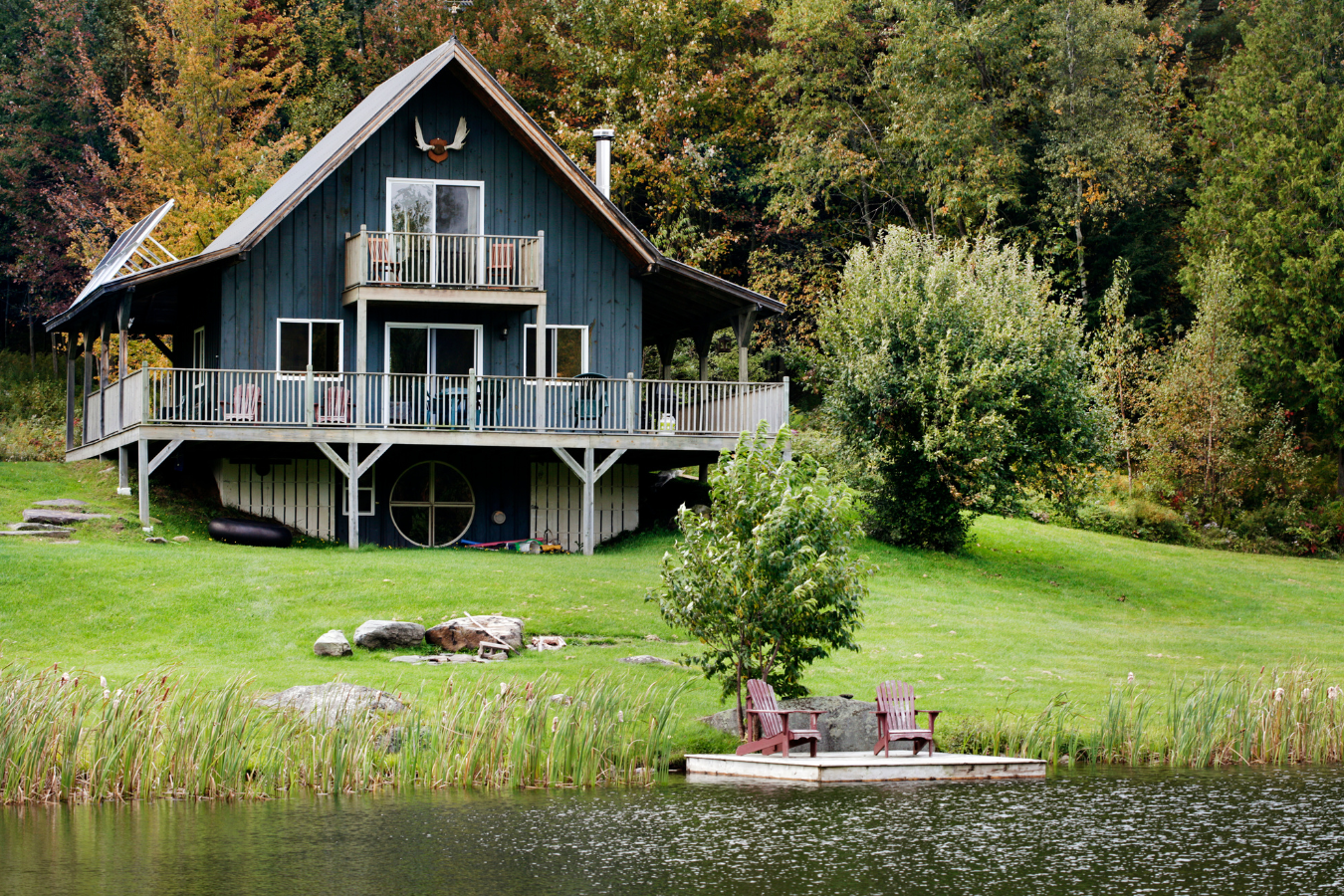
But there is an important difference between leaving your children a vacation home and creating a plan that allows them to successfully keep it.
Without some forethought, the property you hoped would bring your family together for generations could instead leave your children with an expensive responsibility they aren't sure how to handle.
Here are some questions to consider before leaving a family property to your children or family members:
Do Your Children Actually Want the Vacation Home?
This may be the most important question, and one that parents often times don’t think to ask.
You may picture your children continuing the same traditions you've built: summers at the lake, holidays at the cabin, and grandchildren enjoying the same property where their parents grew up.
But your children may picture something different.
One may live several hours away. Another may already own a vacation property. One may love visiting but have no interest in maintaining a second home. Another may desperately want to keep the property in the family.
Before building an estate plan around preserving a vacation home, have the conversation.
You aren't asking your children to make your estate planning decisions for you. You're gathering information that can help you create a plan that works in the real world, not just on paper.
Can They Afford to Keep It?
Even a mortgage-free vacation home isn't free. There are property taxes, insurance, utilities, routine maintenance, and repairs. Depending on the property, there may also be expenses associated with a well, septic system, dock, private road, association, landscaping, snow removal, or other upkeep.
Eventually, there will probably be a major expense.
What happens when the camp needs a new roof? Or the septic system needs to be replaced?
If your plan is simply to leave the property to your children, you're also leaving them the responsibility of figuring out how to pay for it.
For families who are committed to preserving a property, part of the estate planning conversation may be whether other assets should be set aside to help support it. Depending on the family's circumstances and goals, life insurance or funds held in Trust may provide a source of money for taxes, maintenance, and other expenses.
Of course, that money will not last forever. Eventually, the next generation needs a sustainable plan for maintaining the property themselves.
Think Beyond Your Children

Suppose you have three children and leave each of them one-third of the family camp. At first, ownership seems fairly straightforward.
But what happens when one of your children dies? Does that child's interest pass to their spouse? Their children? What if another child later leaves their share to three children of their own?
What started as one property with three owners could eventually have six, eight, or ten owners. Those owners may live in different states, have different incomes, use the property with different frequency, and have very different levels of emotional attachment to it.
This is why planning for a vacation home shouldn't necessarily stop with the first generation.
If preserving the property long-term is important to you, consider what you actually mean when you say you want to “keep it in the family.”
For how long? Which family members? Should spouses become owners? What about grandchildren? What happens if a future generation doesn't want the property anymore?
There isn't one correct answer. But these are much easier questions for you to consider now than for future generations to answer later.
Should You Leave the Property Directly to Your Children?
Leaving a vacation home outright to your children may be the simplest option, and for some families it works perfectly well…but it isn't the only option.
If your goal is simply for your children to inherit the value of the property, outright ownership may be appropriate. You should discuss with your estate planning attorney when might be the right time to transfer the property and how.
If your goal is more specific—“I want this property preserved as a family vacation home for future generations”—your estate plan may need to do more.
Depending on your goals, a Trust, LLC, or combination of planning tools may provide more structure for how the property will be owned and managed.
Using a Trust for the Family Vacation Home
For some families, a Trust can provide a framework for holding and managing the vacation home after the original owner's death.
Depending on how the Trust is drafted, it may address who can use the property, who is responsible for managing it, how expenses are paid, and what ultimately happens if keeping the property no longer makes sense.
A Trust can also help address what happens over multiple generations without continually dividing direct ownership of the real estate among more and more descendants.
But a Trust isn't magic.
Someone still needs to manage the property. The bills still need to be paid. And eventually, there needs to be an answer for what happens if maintaining the property is no longer financially practical, or if future generations simply don't want it.
What About a Family LLC?
Another option that is often more favorable for multiple owners is to create an LLC and transfer the vacation property to it.
Instead of each child directly owning a percentage of the real estate, family members can own membership interests in the LLC. An Operating Agreement can then establish rules for how the property will be managed.
For example, the Operating Agreement might address:
Who is responsible for managing the property;
How taxes, insurance, repairs, and other expenses are funded;
How major decisions are made;
Whether family members can transfer or sell their membership interests (i.e. membership interest can only be transferred to family other members);
What happens to a membership interest when a family member dies;
Whether other family members have an opportunity to purchase an interest before it can be transferred outside the family; and
Under what circumstances the property may ultimately be sold.
An LLC can be particularly helpful when the goal is not simply to transfer the vacation home at death, but to create a structure for multiple family members to own and manage it together over time.
Whether an LLC makes sense—and how it should coordinate with the rest of your estate plan—will depend on your particular circumstances. The transfer of the property itself can also involve tax, insurance, financing, and other considerations that should be evaluated before changing ownership.
Don't Forget About How the Family Will Actually Use It
Legal ownership is only one part of the equation. If several family members will share a vacation home, practical questions matter too.
Who gets July Fourth weekend? Can family members invite friends? Can someone use the property for the entire summer? Can it be rented when no one in the family is using it? Who decides whether to renovate the kitchen or replace the dock? How will rules be created and enforced?
Not every detail needs to be written into your Will or Trust. But if your vision depends on several households sharing one property for years to come, it is worth thinking about how that will actually work.
A successful plan needs to address not only who owns the property, but also how the family will live with that arrangement.
Be Careful About Creating a Permanent Obligation
It's understandable to want a beloved property to remain in the family forever. But there can be a downside to making that goal too rigid.
Your children and grandchildren will have lives you cannot fully predict. They may move away. Their finances may change. The property itself may become significantly more expensive to maintain. A vacation destination the family loves today may not hold the same meaning three generations from now.
A thoughtful estate plan can express your desire to preserve the property while still giving future generations a reasonable way to adapt.
Sometimes the best legacy isn't requiring your family to keep a particular piece of property forever. It's giving them a structure that allows them to enjoy it for as long as it continues to make sense.
Don't Just Leave the Vacation Home. Leave a Plan.
If you own a family camp, lake house, cabin, or other vacation property, your estate plan should address more than who gets it.
Consider:
Do your children actually want to own it?
Can they afford to maintain it?
Should other assets be available to help pay expenses?
Should the property pass outright, remain in a Trust, or be owned through an LLC?
Who should be responsible for managing it?
How will decisions about the property be made?
What should happen as children and grandchildren pass away?
Who should be allowed to inherit or acquire an interest?
Is there a point when the property should—or can—be sold?
You don't have to predict every problem your family could encounter. But if preserving a vacation home is important to you, giving your children some structure can be just as valuable as giving them the property itself.
At Harris-Pero Law Firm, PLLC, we help families think through how camps, lake houses, vacation homes, and other real estate fit into the bigger estate planning picture. If you have a family property you hope to pass to the next generation, we can help you create a plan designed around both the property and the people who will inherit it. Contact us today to begin discussing your options.