
Your Parents Have Estate Planning Documents—But Can Anyone Find Them?
You've had the conversation with your parents. They tell you not to worry—they've done their estate planning. They have a Will. Maybe they also have a Trust, Power of Attorney, Health Care Proxy, and Living Will.
That's great.
But there's another question families often don't think to ask:
Does anyone know where those documents are?
Having an estate plan is only helpful if the right people can find and access it when it's needed. A Will tucked into an unknown drawer—or a Power of Attorney locked somewhere no one can access—can create unnecessary complications at exactly the time your family needs those documents most.
Keep Your Documents Safe - But Make Sure Someone Knows Where They Are
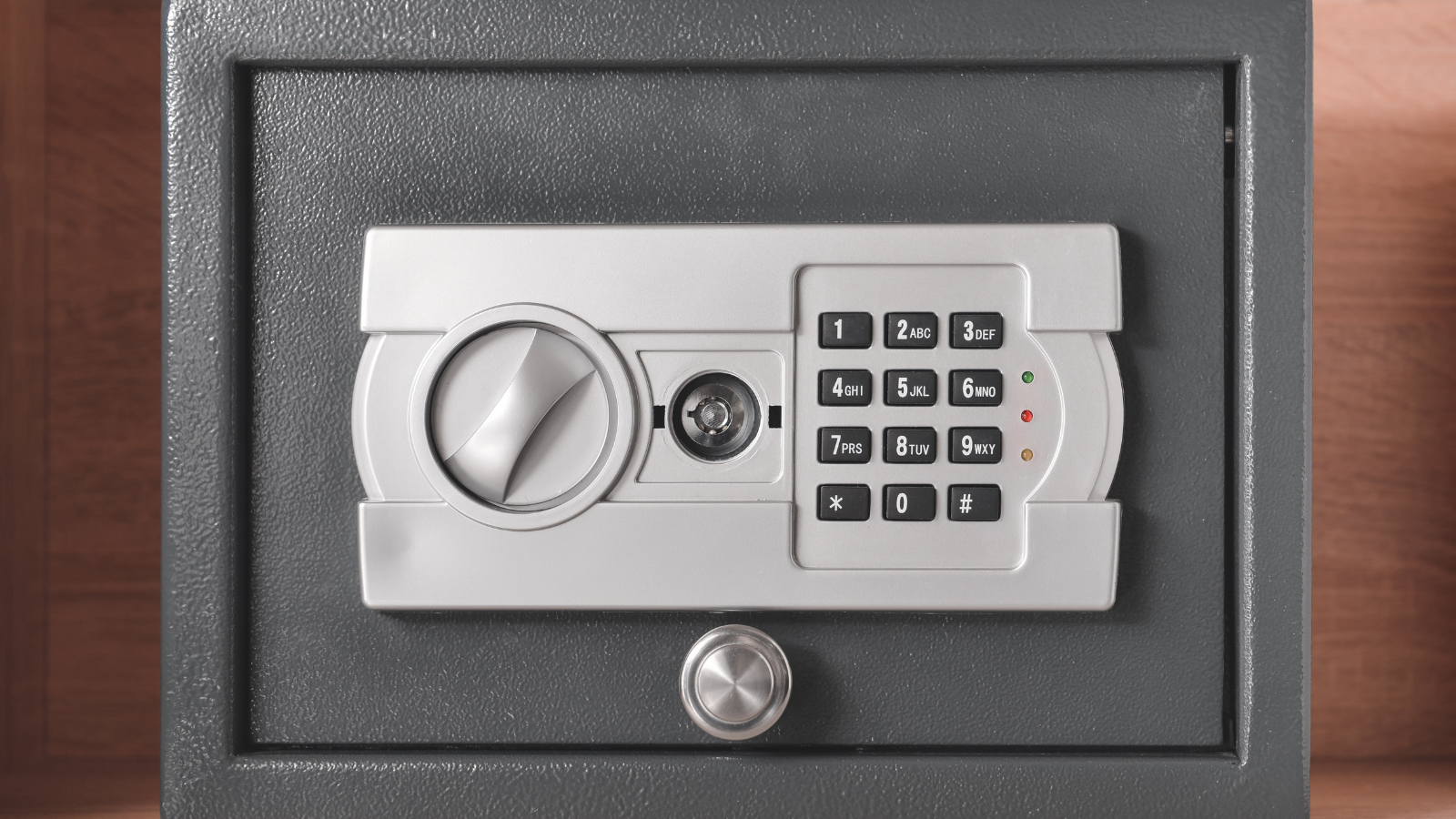
Your original estate planning documents should be kept somewhere safe from fire, water damage, loss, or accidental destruction. For many people, that means a secure, fire-resistant safe or document box at home.
Another option is to ask your estate planning attorney whether they will retain the originals for safekeeping. At Harris-Pero Law Firm, we offer our clients the option of having us retain their original estate planning documents in our secure, fire-proof safe.
Don’t Store in a Safe-Deposit Box
Some people also consider storing their Will in a safe-deposit box. While this can keep the original secure, it is important to think about who will be able to access the box after your death. If no one has authority to access it, your family may need to petition the Surrogate's Court for an order allowing the box to be opened and searched for the Will. That can add another step at an already difficult time. If you feel you must store your Will in a safe-deposit box, make sure that a joint owner is allowed to access the box upon your passing.
In some New York counties, a Will may also be deposited directly with the Surrogate's Court for safekeeping.
Wherever you choose to store your documents, make sure the appropriate people know where to find them. That may include your Executor, Successor Trustee, Agent under your Power of Attorney, and Health Care Agent.
You don't necessarily need to give everyone copies of your estate planning documents. However, if you're comfortable doing so, you may want to provide certain documents to the people who may need them—particularly documents such as your Power of Attorney, Health Care Proxy, and Living Will that could be needed quickly if you become ill or incapacitated.
The important thing is that the people you've chosen to act on your behalf know the documents exist and how to access them when needed.
Your estate planning documents should be secure—but they shouldn't be a secret.
What If a Loved One Dies and You Can't Find Their Will?
If a parent or other loved one told you they had a Will but you can't locate it after their death, don't immediately assume there isn't one.
Start by looking in the places where they kept other important records, such as:
A home safe or fire-resistant document box;
A safe-deposit box;
Filing cabinets or folders containing tax, banking, insurance, or property records;
A desk or home office; and
Other locations where important personal papers were routinely stored.
Look through their records for the name of an estate planning attorney as well. If you know which attorney prepared the estate plan, contact that law firm. The attorney may have retained the original or a copy of the Will, or may have records showing what documents were prepared.
You can also contact the Surrogate's Court in the county where your loved one lived to determine whether a Will was deposited with the Court for safekeeping.
And if you find a copy of the Will but can't locate the original, don't throw it away. That copy could become very important.
What Happens If You Find a Copy of the Will, But Not the Original?
This is where things can become more complicated.
Ordinarily, the original Will is submitted to the Surrogate's Court as part of the probate process. But the fact that the original cannot be found does not necessarily mean the Will can never be probated.
New York law provides a procedure for asking the Court to admit a lost or destroyed Will to probate.
This generally requires additional proof. Among other things, it must be established that the Will was properly executed, that it was not revoked, and what the Will actually said. A true and complete copy or draft of the Will may be important evidence in establishing its provisions.
There can also be an additional complication when the original Will was last known to be in the deceased person's possession but cannot be found after death. Depending on the circumstances, questions may arise about whether the person intentionally revoked the Will.
For these reasons, probating a lost Will can require more evidence, time, and legal work than probating an original Will that has been properly preserved.
If the Will ultimately cannot be admitted to probate and there is no other valid Will, the estate may instead be distributed according to New York's intestacy laws—which may or may not reflect what the deceased person actually wanted.
In other words, having a photocopy is much better than having nothing, but it isn't the same as safeguarding the original.
Found the Original? Leave It Alone.
Once you locate an original Will, resist the urge to take it apart to make copies.
Do NOT remove the staples from an original Will.
New York Surrogate's Courts pay attention to the physical condition of an original Will. If staples have been removed and replaced, additional questions or documentation may be required to explain what happened and confirm that pages were not changed or substituted.
The same general rule applies to making changes yourself. Don't cross out provisions, add handwritten instructions, remove pages, or otherwise alter your original Will because your wishes have changed.
Instead, talk with an estate planning attorney about the proper way to update your documents.
Give Your Family a Roadmap
One of the easiest things you can do for your family doesn't require changing your estate plan at all.
Create a simple list telling the people you trust where to find important information. For example, it might identify:
Where your original Will and Trust documents are stored;
The name and contact information for your estate planning attorney;
Where to find your Power of Attorney, Health Care Proxy, and Living Will;
Where you keep important financial, insurance, and property records; and
Who should be contacted if you become incapacitated or pass away.
You don't necessarily need to include account numbers, passwords, or detailed financial information. The purpose is simply to give the people you trust a starting point.
Just make sure someone knows where to find the roadmap.
An Estate Plan Only Works If It Can Be Found
We've previously written about Olympic legend Florence Griffith Joyner ("Flo Jo") and the problems that reportedly followed when her original Will couldn't be located after her death. Read: Celebrity Estate Mistakes - The Lost Will of Flo Jo.
Her story illustrates an important point: estate planning doesn't end when you sign your documents.
Properly storing those documents—and making sure the right people know where they are—is part of the planning process.
If you or your parents already have an estate plan, take a few minutes to think about what would happen if those documents were needed tomorrow.
Would the right people know they exist? Would they know where to look? Would they be able to access them?
If the answer to any of those questions is "I'm not sure," now is a good time to fix that.
At Harris-Pero Law Firm, PLLC, we help individuals and families throughout New York create and update estate plans designed to protect their wishes, their assets, and the people they care about. Contact us today to get started or review your current plan.